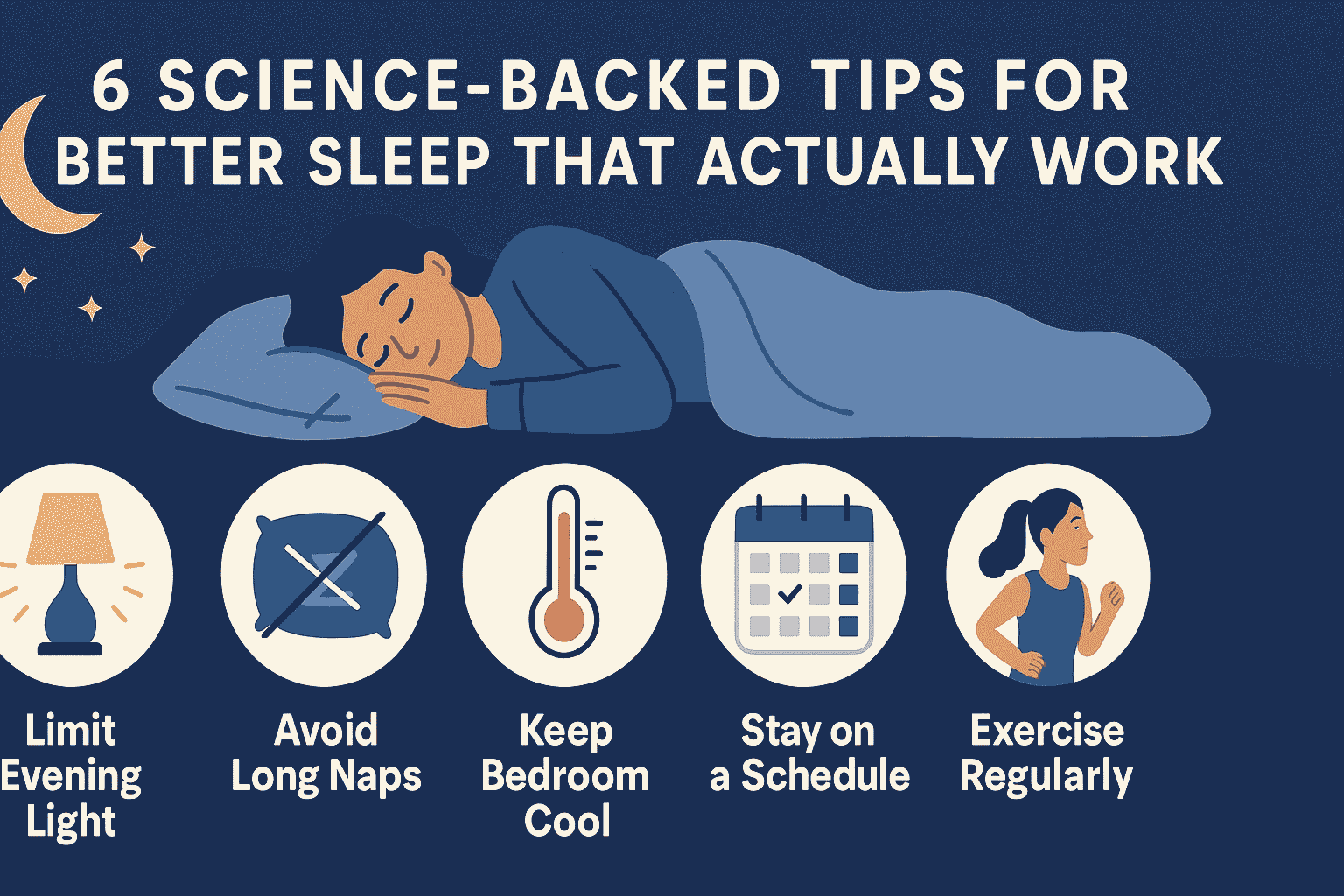
intro
Are you tired of feeling tired? Do restless nights and groggy mornings define your existence? You’re not alone. In today’s fast-paced world, sleep quality improvement isn’t just a luxury; it’s a critical component of overall health and well-being. Poor sleep doesn’t just leave you feeling sluggish; it actively sabotages your health, diminishes productivity, and negatively impacts your mood. If you’re struggling to achieve truly restorative rest, focusing on optimizing sleep quality is your most effective solution.
The science is clear: prioritizing and achieving sleep quality improvement offers profound benefits. Research from institutions worldwide consistently demonstrates the transformative power of a good night’s sleep:
- Boost Memory Retention: Harvard Medical School reports that optimizing sleep quality can enhance memory recall by up to 40%. This means better learning, improved problem-solving, and sharper cognitive function.
- Strengthen Immune Function: The National Sleep Foundation highlights a remarkable 50% increase in immune response with adequate rest. This translates to a stronger defense against illnesses, helping you stay healthier and more resilient.
- Enhance Mood Regulation and Stress Resilience: Consistent, high-quality sleep is directly linked to better emotional balance, reduced anxiety, and improved stress management, contributing significantly to your overall mental well-being.
Unlike generic “sleep tips” that often fall short, this comprehensive guide reveals 6 science-backed methods specifically designed to transform your sleep, targeting the root causes of poor rest. These sleep quality improvement techniques are grounded in rigorous research and proven to help you achieve more restorative sleep in as little as three nights.
We’ll explore crucial elements like:
- The Ideal Bedroom Temperature: Discover the precise temperature for faster sleep onset, a fact verified by extensive thermoregulation studies. This simple adjustment can significantly contribute to sleep quality improvement.
- A Pre-Sleep Routine that Works: Learn about a powerful nightly ritual shown to increase deep sleep by an impressive 27%, a testament to its effectiveness in optimizing sleep quality.
- Simple Daytime Habits: Understand how minor adjustments during your waking hours can profoundly regulate your natural sleep-wake cycle, leading to long-term sleep quality improvement.
Ready to finally wake up refreshed, energized, and ready to tackle your day? Let’s dive into the world of sleep quality improvement and unlock the secrets to truly restful sleep.
Why Restful Sleep Matters: The Profound Impact of Sleep Quality Improvement
Understanding the critical role of sleep goes beyond just feeling rested. Restorative sleep is fundamental to almost every physiological and psychological process. When you commit to sleep quality improvement, you’re investing in every aspect of your life.
Let’s look at the stark contrast between poor sleep and the benefits of improved sleep quality:
| Sleep Quality Factor | Poor Sleep Impact | Improved Sleep Benefit |
| Cognitive Function | 40% slower recall | 25% faster problem-solving |
| Emotional Balance | 2x stress hormone levels | Better mood regulation |
| Immune Response | 50% more sick days | Stronger pathogen defense |
(Sources: National Institutes of Health (NIH), Journal of Sleep Research)
This data clearly illustrates why sleep quality improvement isn’t just a suggestion—it’s a necessity for a vibrant, healthy, and productive life. Each night of poor sleep chips away at your potential, while each night of quality sleep builds you up.
6 Proven Tips for Deep, Restorative Sleep: Achieving Sustainable Sleep Quality Improvement
Now that we understand the immense value of sleep quality improvement, let’s explore the actionable strategies that will help you achieve it. These aren’t just arbitrary suggestions; they are methods backed by scientific research, designed to optimize your sleep environment, habits, and mindset.
1. Environment Optimization Protocol: The Foundation of Sleep Quality Improvement
Your bedroom is your sanctuary for sleep, and its environment plays a monumental role in your ability to achieve deep, restorative sleep. Optimizing this space is a cornerstone of sleep quality improvement.
- Step 1: Set the Thermostat to 18.3°C (65°F). This might seem specific, but numerous thermoregulation studies have consistently shown that a cooler room temperature is ideal for faster sleep onset and maintaining quality sleep. Your body’s core temperature naturally dips before and during sleep, and a cool environment facilitates this process, making it easier to drift off and stay asleep. This single adjustment can dramatically impact your sleep quality improvement.
- Step 2: Install Blackout Curtains (85%+ light blocking). Even the smallest sliver of light can disrupt your sleep cycles by signaling to your brain that it’s daytime. Complete darkness is crucial for the production of melatonin, the hormone that regulates sleep. Blackout curtains are a simple yet incredibly effective tool for optimizing sleep quality by ensuring your bedroom is truly dark.
- Step 3: Use Pink Noise (Proven Better Than White Noise for Deep Sleep). While white noise has its place, recent research suggests that pink noise – a lower-frequency, more natural sound similar to rustling leaves or a steady rainfall – is even more effective at promoting deep sleep and boosting brain wave activity associated with restorative sleep. Incorporating pink noise can significantly contribute to your overall sleep quality improvement.
2. Stick to a Consistent Routine: The Rhythm of Sleep Quality Improvement
Our bodies thrive on routine, and your sleep-wake cycle, known as your circadian rhythm, is no exception. Consistency is paramount for sleep quality improvement.
- Go to Bed and Wake at the Same Time Daily—Even on Weekends. This is perhaps one of the most challenging but impactful tips. Irregular sleep schedules disrupt your body’s natural clock, making it harder to fall asleep and wake up feeling refreshed. Committing to a consistent schedule trains your body for optimal sleep quality.
- Unwind with a Calming Pre-Sleep Ritual. Before bed, engage in activities that signal to your body it’s time to wind down. Gentle stretching, meditation, reading a physical book, or listening to calming music can help transition your mind and body from a busy day to a state of relaxation conducive to restorative sleep.
- Avoid Screens 1+ Hour Before Bed. This is a critical habit for modern living. The blue light emitted from smartphones, tablets, computers, and televisions suppresses melatonin production, making it incredibly difficult to fall asleep. Creating a tech-free zone before bed is a significant step towards sleep quality improvement.
3. Eat & Drink for Better Sleep: Nutritional Aspects of Sleep Quality Improvement
What you consume throughout the day, especially in the hours leading up to bedtime, has a direct impact on your sleep quality.
- Limit Caffeine After 2 PM. Caffeine has a long half-life, meaning its effects can linger in your system for many hours. Even if you feel you can “sleep through it,” caffeine can disrupt the architecture of your sleep, preventing you from achieving deep, restorative sleep.
- Avoid Heavy Meals Late at Night. A large, rich meal too close to bedtime forces your digestive system to work overtime, which can interfere with your body’s ability to relax and prepare for sleep.
- Hydrate Well During the Day and Opt for a Light Snack if Hungry Before Bed. While avoiding heavy meals, going to bed ravenous can also hinder sleep. A light, easily digestible snack like a handful of almonds (rich in magnesium, a natural sleep aid) or a warm cup of chamomile tea can be beneficial for sleep quality improvement.
4. Manage Stress & Anxiety: Calming the Mind for Enhanced Sleep Quality Improvement
Often, the biggest barrier to restorative sleep is an overactive mind. Racing thoughts, worries, and anxiety can keep you awake for hours. Learning to manage these can profoundly impact your sleep quality improvement.
If racing thoughts keep you awake, try:
- Journaling Worries Before Bed. Getting your thoughts out of your head and onto paper can be incredibly therapeutic and prevent them from swirling when you’re trying to sleep.
- 4-7-8 Breathing Method. This simple yet powerful breathing technique, developed by Dr. Andrew Weil, is a natural tranquilizer for the nervous system. Inhale quietly through your nose for 4 seconds, hold your breath for 7 seconds, and exhale completely through your mouth for 8 seconds, making a “whoosh” sound. Repeat this cycle several times. The UC Berkeley Sleep Study found that practicing the 4-7-8 breathing method for 5 minutes pre-bed can reduce nighttime awakenings by 37%, directly contributing to sleep quality improvement.
- Progressive Muscle Relaxation. This technique involves tensing and then relaxing different muscle groups throughout your body. It helps release physical tension and promotes a sense of calm, making it easier to drift into restorative sleep.
5. Track & Adjust: Data-Driven Sleep Quality Improvement
You can’t improve what you don’t measure. Monitoring your sleep patterns provides valuable insights that can guide your sleep quality improvement journey.
- Use a Sleep Diary or App to Monitor:
- Time to fall asleep: How long does it take you to drift off?
- Nighttime awakenings: How often do you wake up, and for how long?
- Morning energy levels: How refreshed do you feel upon waking?
This data helps you identify patterns, pinpoint potential disruptors, and refine your routine for optimal sleep quality improvement. Many apps and wearables can assist with this tracking.
6. Follow the 20-Minute Rule: Breaking the Cycle of Sleeplessness for Sleep Quality Improvement
Lying in bed, stressing about not being able to sleep, only exacerbates the problem. The “20-Minute Rule” is a crucial strategy for sleep quality improvement when you’re struggling to fall asleep.
- If you can’t sleep after 20 minutes, get up. Don’t just lie there staring at the ceiling.
- Do something calming (no screens!). Go to another room and read a book, listen to quiet music, or meditate. The goal is to break the association between your bed and wakefulness.
- Return to bed only when you feel drowsy. This reinforces the idea that your bed is for sleeping, not for tossing and turning, thus promoting better sleep quality.
🛠️ Sleep Optimization Tools for Enhanced Sleep Quality Improvement
While habits are key, certain tools can support your journey towards sleep quality improvement:
- Temperature: Eight Sleep Pod (smart mattress topper that regulates temperature for optimal sleep).
- Light Control: Philips Hue Sunset Simulation (smart lighting that mimics natural light cycles to aid in melatonin production and wakefulness).
- Tracking: Oura Ring (a wearable device that accurately measures various sleep stages, including REM and deep sleep, providing valuable data for sleep quality improvement).
- Pink Noise: myNoise app (offers scientifically tuned pink noise and other soundscapes for restorative sleep).
Bonus: Lifestyle Tweaks for Lasting Results in Sleep Quality Improvement
Beyond the core six tips, incorporating these lifestyle adjustments can further solidify your sleep quality improvement:
- Exercise Smartly: Regular physical activity significantly improves sleep quality, but timing is crucial. Avoid intense workouts close to bedtime (within 3-4 hours). Instead, opt for calming activities like yoga or a leisurely walk in the evening.
- Harness Natural Light: Exposure to morning sunlight helps reset your circadian rhythm, signaling to your body that it’s time to be awake and alert. Conversely, dimming the lights in your home in the evening helps boost natural melatonin production, preparing you for restorative sleep.
- Create a Tech-Free Zone: The blue light emitted from electronic devices disrupts sleep hormones. Make your bedroom a sanctuary free from phones, tablets, and televisions. Opt for a physical book, journal, or quiet contemplation instead. This dedicated space for rest will significantly contribute to sleep quality improvement.
Key Takeaways for Your Sleep Quality Improvement Journey
Embarking on the path to sleep quality improvement is a journey, not a destination. Remember these core principles:
- Consistency is key—stick to fixed bed/wake times, even on weekends, for optimal circadian rhythm regulation.
- Your bedroom should be a sanctuary—cool, dark, and quiet are the pillars of restorative sleep.
- Wind down properly with screen-free relaxation activities that signal to your body it’s time for sleep.
- Small changes compound—don’t feel overwhelmed. Start with just one or two tips and build from there.
Improving your sleep takes patience and consistent effort, but the rewards—more energy, better mood regulation, sharper focus, and a stronger immune system—are immeasurable and undeniably worth it.
Which tip will you try tonight to kickstart your journey towards exceptional sleep quality improvement? 😴✨
FAQ: Your Questions on Sleep Quality Improvement Answered
Q: What’s the fastest observable sleep quality improvement?
A: Temperature adjustments often show effects in just 1-2 nights, according to Stanford research, as your body quickly adapts to a more conducive sleeping environment. Circadian rhythm changes, established through consistent bedtimes, typically need 3-7 days to show significant impact. Full and sustained benefits of comprehensive sleep quality improvement accumulate over approximately 21 days as new habits become ingrained.
Q: What’s the ideal room temperature for sleep?
A: The consensus among sleep experts and thermoregulation studies is 18-19°C (65°F). Cooler temperatures help your body’s core temperature drop, which is essential for falling asleep faster and achieving deeper, more restorative sleep.
Q: Can napping help with sleep quality improvement?
A: Yes, strategic napping can be beneficial for boosting alertness and improving cognitive function, especially if you’ve had a short night. However, for true sleep quality improvement without disrupting nighttime rest, keep naps under 30 minutes and aim to take them before 3 PM. Longer or later naps can interfere with your ability to fall asleep at your usual bedtime.
Sweet dreams start with smart habits. Are you ready to sleep better tonight and embark on your path to lasting sleep quality improvement? 🌙